
- August 7 2025
- Don Friddell
How Much Does a Food-Grade Warehouse Cost to Set Up?
Entering the food supply chain requires meticulous attention to detail, and one of the most critical steps is securing a food grade warehouse. But for many business owners, the first question is, "How much does all of this cost?"
The answer isn't a single number. Instead, the cost is a combination of initial investments, ongoing expenses, and the specific certifications you pursue. This guide will break down the true costs of becoming an FDA-approved warehouse and help you understand what to expect.
The Foundation: FDA Food Facility Registration (The Free Part)
Before you worry about certifications, it's crucial to understand the baseline requirement. The U.S. Food and Drug Administration (FDA) requires all facilities that manufacture, process, pack, or hold food for consumption in the U.S. to register with them.
- • Cost: $0. The FDA itself does not charge a fee for this registration.
- • What it is: This is not a "certification" or "approval." It's a mandatory registration process that gives the FDA oversight and allows it to conduct inspections.
- • Key takeaway: This is the first, non-negotiable step for any company handling food products. While there is no fee, the real costs come from preparing your facility to meet the standards required to pass an inspection.
The Real Investment: Private Certifications & Facility Upgrades
While the FDA registration is mandatory, it's private, third-party certifications that truly establish a warehouse as "food-grade." These certifications are often what food-grade warehousing companies and their clients look for as proof of compliance and quality.
The cost for these will depend on the specific program you choose, such as the American Institute of Baking (AIB), SQF (Safe Quality Food), BRCGS (Brand Reputation Compliance Global Standards), or others. Each program has different fees, standards, and audit procedures.
Here’s a breakdown of the potential costs involved in pursuing these certifications:
1. Facility Upgrades & Preparation: The Cost Per Square Foot
This is often the most significant expense. You can't just pass an audit on a whim. Your warehouse must be designed and maintained to prevent contamination and ensure food safety. This is where location and the complexity of your facility have the biggest impact on cost.
- • Average Cost Per Square Foot: While a basic industrial warehouse might have a construction cost of around $80 to $150 per square foot, a food-grade facility has significant added expenses.
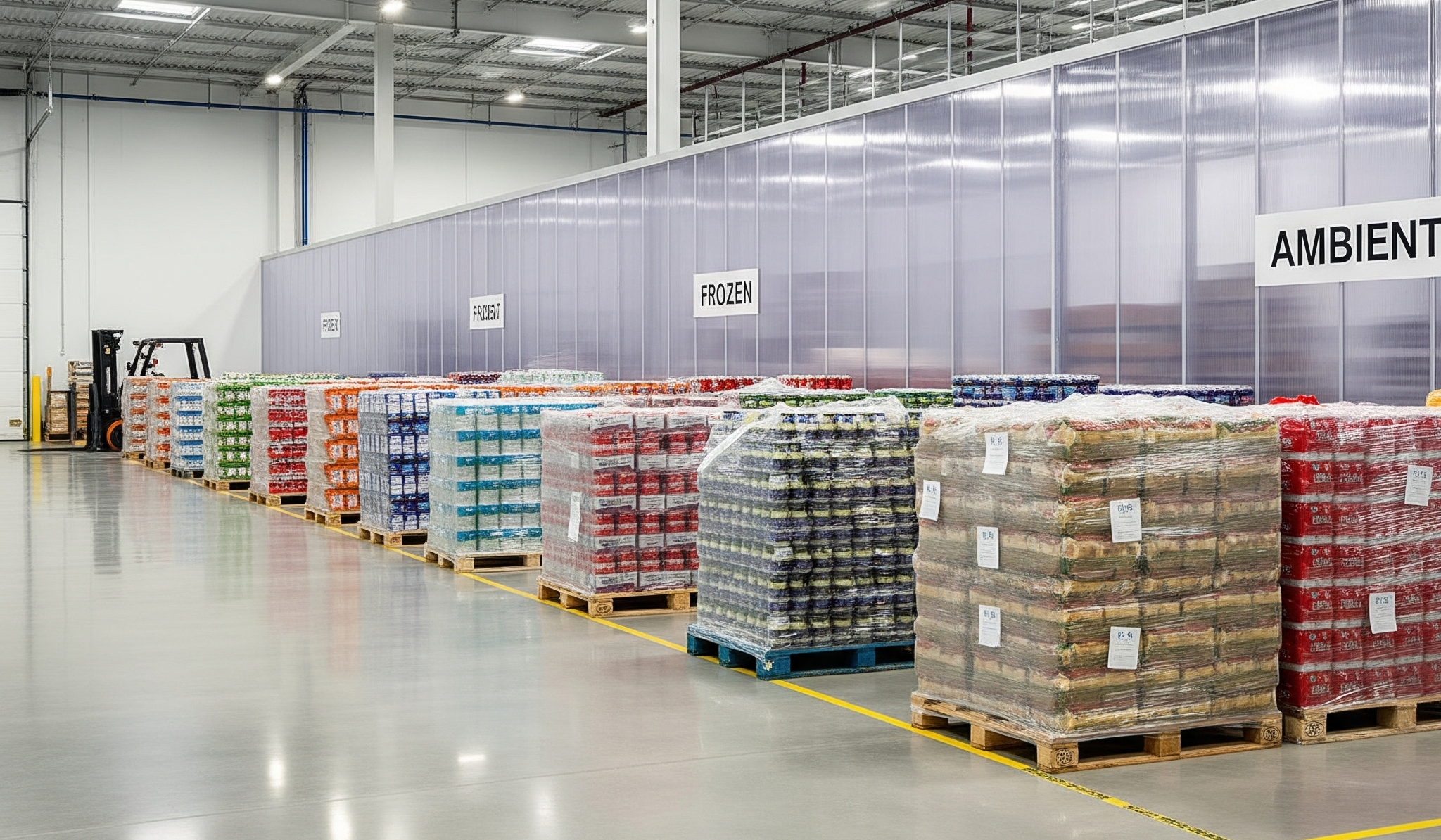
- • Simple "Dry" Storage: A standard ambient-temperature warehouse will require upgrades for sanitation, pest control, and proper building sealing, which can add to the base cost.
- • Complex Cold Storage or Freezer Facilities: The cost for these facilities is drastically higher. Building or retrofitting for cold storage can add $20 to $50 per square foot due to the need for specialized insulation, climate-control systems, and heavy-duty flooring.
- • Location Impact: Where your warehouse is located in the US is a major factor. In high-demand logistics hubs like Los Angeles or Northern New Jersey, rent for a standard warehouse can be over $16 per square foot, while in more rural or centrally located areas like Memphis or Columbus, it could be less than $6 per square foot. The cost to construct and operate a food-grade facility will reflect this regional variation.
Here are some upgrades, factors, and tenant improvements you should consider when setting up your food-grade warehouse.
- • Pest Control: Implementing a robust and documented Integrated Pest Management (IPM) program. Costs vary widely but are an essential recurring expense.
- • Sanitation: Investing in proper cleaning equipment, food-safe cleaning chemicals, and establishing a detailed sanitation schedule.
- • Building Improvements: Ensuring your facility is free of cracks, holes, and other entry points for pests. This can involve repairs to floors, walls, doors, and roofs.
- • Temperature Control: Installing and maintaining climate control systems for refrigerated or frozen goods. This is a major capital investment with significant ongoing energy costs.
- • Inventory Management: Implementing a system (like FIFO - First In, First Out) to track product lots and expiration dates to ensure traceability.
2. Certification & Audit Fees
This is the direct cost of the certification process itself. While prices fluctuate, here are the general components:
- • Pre-Audit Consultation: Many companies hire a consultant to perform a gap analysis and prepare them for the official audit. This can range from a few hundred to several thousand dollars.
- • Initial Audit Fee: This is the main fee for the first-time audit, which typically includes an on-site inspection and a review of all your documentation. This can range from $3,000 to over $10,000, depending on the size of your facility and the complexity of your operations.
- • Annual Renewal/Surveillance Audits: To maintain your certification, you will need to undergo regular audits, often annually. These fees are typically lower than the initial audit but are a necessary ongoing expense.
3. Training & Documentation
A huge part of food-grade warehouse certification is having a well-trained team and documented processes.
- • Employee Training: All staff must be trained in Good Manufacturing Practices (GMPs) and food safety protocols. The cost can be for in-house training materials or external courses.
- • Creating a Food Safety Plan: You'll need to develop a Hazard Analysis and Critical Control Points (HACCP) plan or a similar food safety plan required by your chosen certification body. This is a time-intensive process that may require professional assistance.
The Hidden Costs and Ongoing Requirements
Beyond the initial certification, the costs of maintaining a food-grade facility are continuous.
- • Ongoing Compliance: The biggest long-term cost is simply maintaining compliance. This means regular inspections, rigorous sanitation schedules, and continued employee training.
- • Insurance: Maintaining specific liability insurance policies is often a requirement for certification and a key consideration for food-grade warehousing companies.
- • Time and Resources: The non-monetary cost of employee time dedicated to documentation, training, and maintaining compliance is significant and should be factored into your total cost.
Final Thoughts: The Cost of Certification vs. The Cost of Non-Compliance
While the costs of becoming a food-grade warehouse can seem daunting, they are far outweighed by the risks of non-compliance. A single food safety issue, recall, or FDA fine could put your entire business at risk.
By strategically planning for these expenses and investing in a robust food safety program from the start, you not only secure the necessary certifications but also build a resilient and trusted business that can thrive in the competitive food industry.
Need help setting up or operating your food-grade warehouse? Contact one of our experts today!
Leave Your Comment