
- November 6 2025
- Don Friddell
The Ultimate Guide to Contract Warehousing and 3PL Solutions
In today's competitive market, efficient supply chain management is not just an operational goal—it's a strategic imperative. Businesses face constant pressure to reduce costs, accelerate delivery times, and enhance customer satisfaction. This guide explores how contract warehousing and third-party logistics (3PL) services provide a powerful solution, enabling companies to streamline operations, unlock growth, and focus on their core competencies. From foundational definitions to selecting the right partner, we will cover the essential elements you need to make informed decisions for your logistics and warehousing strategy.
Understanding the Landscape: Logistics and Warehousing Fundamentals
To fully grasp the value of outsourcing, it's crucial to understand the foundational pillars of the supply chain: logistics and warehousing. Though often used interchangeably, they represent distinct yet deeply interconnected functions.
What is Logistics?
Logistics is the comprehensive process of planning, implementing, and controlling the efficient, effective forward and reverse flow and storage of goods, services, and related information from the point of origin to the point of consumption. Its primary objective is to meet customer requirements in a timely, cost-effective manner.
Key components include:
- • Transportation and freight management
- • Inventory management
- • Order processing
- • Warehousing
The Fundamental Role of Warehousing
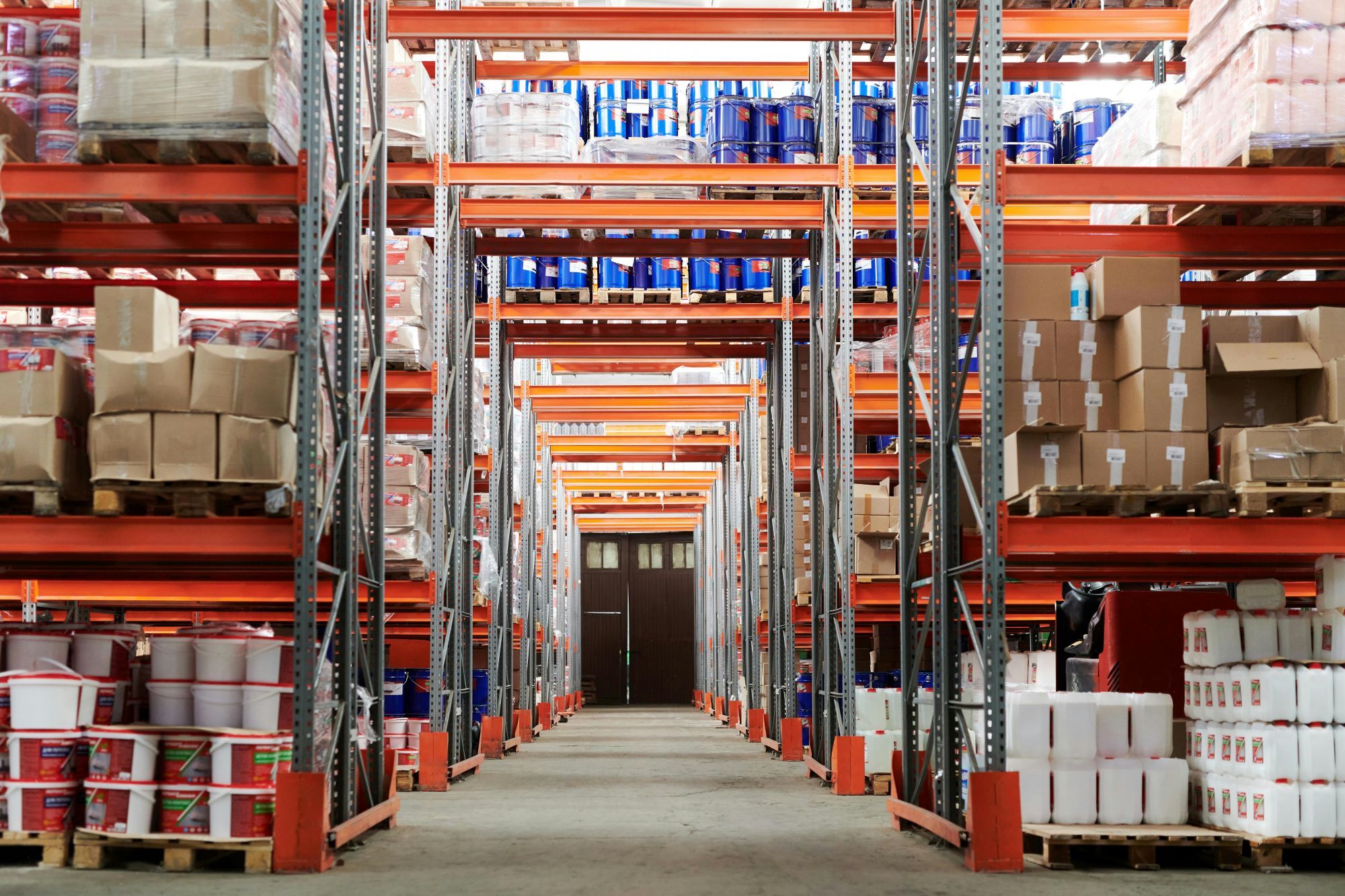
Warehousing involves the organized storage, management, and movement of physical goods within a designated facility. It is a critical component of the broader logistics framework, serving as a central hub for inventory control and order fulfillment. Core warehousing activities include receiving inbound goods, storing them safely and efficiently, picking and packing orders, and preparing them for shipment. Effective warehousing ensures product availability, supports timely delivery, and directly contributes to customer satisfaction.
The Interdependence of Warehousing and Logistics
Warehousing and logistics are mutually reliant. A warehouse is a static node within the dynamic logistics network. The efficiency of warehouse operations—how quickly goods are received, stored, and prepared for shipment—directly impacts the effectiveness of the entire logistics process. Conversely, logistics planning determines where warehouses should be located, how much inventory they should hold, and how goods move between them. When these two functions are seamlessly integrated, businesses achieve lower costs, improved service levels, and a more resilient supply chain.
Decoding Warehousing Options: Contract vs. Public vs. Private
Choosing the right warehousing model is a critical strategic decision. Each option offers a different balance of control, cost, and flexibility.
Contract Warehousing: A Dedicated Partnership
Contract warehousing establishes a sustained, exclusive third-party service for managing inventory and order fulfillment under a formal, long-term agreement, typically lasting multiple years. This model provides a dedicated, long-term storage solution with highly customizable services tailored to specific business requirements. While it involves a longer commitment, it offers stability, specialized expertise, and predictable costs without the substantial upfront capital outlay required for private warehousing. Key functions include receiving, storing, and shipping goods, often supplemented by value-added services.
Public Warehousing: Flexible and On-Demand
Public warehousing offers shared, flexible, and cost-effective storage solutions provided by third-party companies. Businesses rent space on a short-term basis, often paying per pallet or square foot. Payment is contingent on usage and duration, aligning with changing demands. This model is ideal for businesses with seasonal fluctuations, inconsistent storage needs, or those testing new markets, as it provides adaptability without a long-term commitment.
Private Warehousing: Ultimate Control and Investment
Private warehousing refers to a facility owned and operated by the business that uses it. This option grants complete command over all operations, from inventory management to security protocols. However, it requires a substantial upfront financial investment in real estate, equipment, and staffing. It also carries the risk of increased expenses from underutilized storage and the full responsibility for ongoing operational costs.
What is a Third-Party Logistics (3PL) Provider?
A third-party logistics (3PL) provider is a company that offers outsourced logistics and supply chain management services to other businesses. The term "3PL" is the common acronym for this service. Essentially, a 3PL partner handles key functions like warehousing, order fulfillment, and transportation, allowing a business to focus on its core competencies such as product development, marketing, and sales. The widespread adoption of 3PLs is significant, with data showing that a majority of large corporations utilize these services to enhance efficiency and market reach. The 3PL market continues to expand as businesses recognize the strategic value of outsourcing complex logistical operations.
The Difference Between 3PL and 4PL
While a 3PL provider executes the physical logistics tasks, a fourth-party logistics (4PL) provider acts as a strategic overseer. A 4PL manages the entire supply chain, often by coordinating the services of multiple 3PLs and other providers. The 4PL serves as a single point of contact, focusing on high-level optimization, integration, and strategy, while the 3PL is focused on the day-to-day execution of warehousing and transportation.
The Core Services of Contract Warehousing and 3PLs
3PL providers offer a comprehensive suite of services designed to manage the entire logistics lifecycle, from receiving inventory to final-mile delivery.
Warehousing and Inventory Management
This is the foundational service. 3PLs provide physical storage and management of goods in strategically located facilities. This includes:
- • Receiving and Inbound Logistics: Managing the process of accepting, verifying, and recording incoming inventory.
- • Storage Solutions: Offering various types of storage (e.g., ambient, temperature-controlled) to meet specific product requirements.
- • Inventory Control: Utilizing advanced Warehouse Management Systems (WMS) to provide real-time visibility into stock levels, track product movement, and ensure accuracy, which helps avoid stockouts and overstocking.
Order Fulfillment: Pick, Pack, and Ship
Once a customer places an order, the 3PL manages the entire fulfillment process:
- • Picking: Retrieving the correct items from storage locations within the warehouse.
- • Packing: Securely packaging items to prevent damage during transit, using appropriate materials.
- • Shipping: Labeling packages, coordinating with carriers (like FedEx, UPS, USPS), and managing the dispatch of orders to customers.
Transportation and Freight Management
3PLs leverage their extensive networks and expertise to manage the movement of goods efficiently. This includes:
- • Carrier Negotiation: Securing favorable shipping rates through high-volume agreements with various carriers.
- • Freight Optimization: Planning the most efficient routes to reduce transit times and costs.
- • Shipment Tracking: Providing real-time visibility so businesses and their customers know the status of a delivery.
- • International Logistics: Handling the complexities of global shipping, including customs, duties, and compliance.
Value-Added Services
Many 3PLs offer specialized services that go beyond basic storage and shipping to meet unique brand and product needs:
- • Kitting and Assembly: Consolidating multiple SKUs into a single package or performing light product assembly before shipment.
- • Custom Packaging: Creating a unique unboxing experience with branded materials to enhance customer satisfaction.
- • Reverse Logistics (Returns Management): Streamlining the process of handling product returns, including inspection, restocking, and disposition, which improves customer loyalty and recovers value from returned goods.
The Tangible Benefits of Outsourcing Your Logistics
Partnering with a contract warehouse or 3PL provider yields substantial financial, operational, and strategic advantages that drive business growth.
Financial Advantages: Reducing Costs and Capital Investment
One of the most compelling reasons to outsource is the significant cost savings.
- • Reduced Capital Expenditure: Businesses avoid the massive upfront investment required to buy or lease a warehouse, purchase equipment, and implement technology. You gain access to existing, state-of-the-art facilities and services.
- • Lower Operational Costs: Outsourcing eliminates ongoing expenses related to staffing, utilities, maintenance, and security. 3PLs achieve economies of scale, which translates to lower costs for warehousing, supplies, and shipping.
- • Predictable Pricing: Contract warehousing offers stable, set pricing, making it easier to budget and manage logistics expenses.
Operational Efficiency: Streamlining Your Supply Chain
3PLs are experts in logistics, bringing specialized knowledge, established processes, and advanced technology to your operation.
- • Improved Accuracy and Speed: Efficient warehouse layouts, automated systems, and trained staff lead to fewer errors and faster order processing, from picking to shipping.
- • Access to Technology: Partners provide access to sophisticated WMS and Transportation Management Systems (TMS) without the need for internal investment, offering real-time data and analytics.
- • Focus on Core Competencies: By delegating logistical complexities to specialists, your team is freed up to concentrate on core business activities like innovation, product development, and customer engagement.
Strategic Growth: Scalability, Flexibility, and Market Expansion
A 3PL partnership provides the agility needed to adapt and grow in a dynamic market.
- • Scalability and Flexibility: Operations can be easily scaled up or down to accommodate seasonal peaks, demand fluctuations, or business growth without being constrained by fixed warehouse space or staff.
- • Market Expansion: Leveraging a 3PL's extensive network of strategically located warehouses enables faster, more cost-effective delivery to new geographic regions and customer bases with minimal financial commitment.
- • Risk Mitigation: Experienced providers have robust safety protocols, security systems, and contingency plans to anticipate and mitigate potential disruptions, ensuring operational continuity.
Enhanced Customer Satisfaction and Loyalty
Ultimately, a streamlined supply chain translates to a better customer experience.
- • Faster Delivery Times: Strategically placed distribution centers closer to your customers reduce transit times and shipping costs.
- • Increased Order Accuracy: Professional fulfillment processes minimize shipping mistakes, ensuring customers receive the correct products.
- • Reliable Service: Consistent, on-time deliveries build trust and foster customer loyalty, which is crucial for long-term success.
Choosing the Right Partner: Key Evaluation Criteria
Selecting the right logistics partner is a critical decision that requires careful evaluation. A successful partnership is built on alignment with your specific business needs and long-term goals.
Define Your Operational Requirements
Before you begin your search, clearly identify your needs. Consider:
- • Order Volume: How many orders do you ship daily, weekly, and monthly?
- • Storage Needs: What type of products do you sell? Do they have special requirements (e.g., temperature control, security)?
- • Geographic Footprint: Where are your customers located? Do you need national or international distribution?
- • Technology Integration: What e-commerce platform and other systems do you use? The 3PL must integrate seamlessly.
Evaluate Key Provider Attributes
Once you have a list of potential partners, assess them against these crucial criteria:
-
-
-
Location and Network: Analyze the provider's warehouse locations. Proximity to your customers is key to reducing shipping times and costs. A distributed network allows for faster delivery across multiple regions.
-
Technology and Integration: A robust WMS is non-negotiable. Inquire about their technological capabilities, real-time data visibility, reporting tools, and their ability to integrate with your existing systems (e.g., Shopify, Magento).
-
Industry-Specific Expertise: Confirm the provider has a proven track record within your industry. They should understand the unique challenges and compliance requirements associated with your products (e.g., food & beverage, electronics, apparel).
-
Scalability and Flexibility: Determine their capacity to handle your growth. Can they adapt to seasonal demand spikes? A fluid operational framework is essential.
-
Security and Compliance: Assess their safety protocols, security systems, and adherence to relevant regulations. This is critical for protecting your inventory and mitigating risk.
-
Customer Service and Communication: A strong partnership relies on clear, dependable communication. Evaluate their responsiveness, issue resolution processes, and whether they provide a dedicated account manager.
-
Contracts and Service Level Agreements (SLAs): Carefully review the contractual terms, pricing structures, and performance guarantees.
-
-
The SLA should clearly define expectations for key metrics like receiving times, order accuracy, and shipping speed.
The Proof is in the Performance: Building Trust Through Results
Credibility and confidence are earned through tangible achievements and client validation. A reputable logistics partner will be transparent about their performance and committed to your success.
Showcasing Tangible Achievements
Look for providers who can present measurable successes and significant performance indicators. This includes data on:
- • Order Accuracy Rate: The percentage of orders shipped without errors.
- • On-Time Shipping Rate: The percentage of orders dispatched within the agreed-upon timeframe.
- • Inventory Accuracy: The precision of their stock level records.
Client Victories and Endorsements
Client commendations and satisfied customer statements are powerful indicators of a provider's reliability and value. Ask for case studies or references that illustrate their command of the sector and their ability to deliver concrete benefits. A favorable organizational atmosphere and strong ethical principles often translate into enduring business relationships and a robust history of achievements.
Commitment to Quality and Continuous Improvement
An unwavering dedication to superior service is paramount. The best partners view their efforts as directly tied to their clients' achievements. They proactively anticipate and mitigate potential issues, follow all relevant guidelines, and are committed to ongoing enhancements in their processes and technology. Industry accolades or awards can further corroborate their high standards.
Taking the Next Step: How to Engage with a Logistics Partner
Once you have identified a potential partner that aligns with your needs, the next step is to initiate a discussion. A proactive approach will help you gather the specific information needed to make a final decision.
Start the Conversation
Reach out to the warehousing and logistics companies you are considering to talk about your operational needs and service expectations. Be prepared to share details about your business so they can provide relevant insights.
- • Request a Customized Quote: Ask for a detailed price estimate based on your specific requirements, including storage, fulfillment, and shipping volumes.
- • Investigate Tailored Solutions: Inquire about services designed specifically for your industry or business model.
- • Connect with Specialists: Ask to speak with knowledgeable staff who can provide professional support and answer your technical questions.
Conclusion: Your Strategic Advantage in a Competitive Market
In conclusion, contract warehousing and 3PL solutions offer more than just outsourced labor; they provide a strategic partnership that can fundamentally transform your business. By delegating logistics to experts, you can reduce capital investment, lower operational costs, and improve supply chain efficiency. This allows you to reclaim valuable time and resources to focus on your core competencies—driving innovation, enhancing your products, and building your brand. The flexibility and scalability offered by a 3PL partner empower you to adapt to market changes and seize growth opportunities. Choosing the right provider is an investment in a more resilient, efficient, and customer-focused future, giving you a powerful competitive advantage.
Leave Your Comment